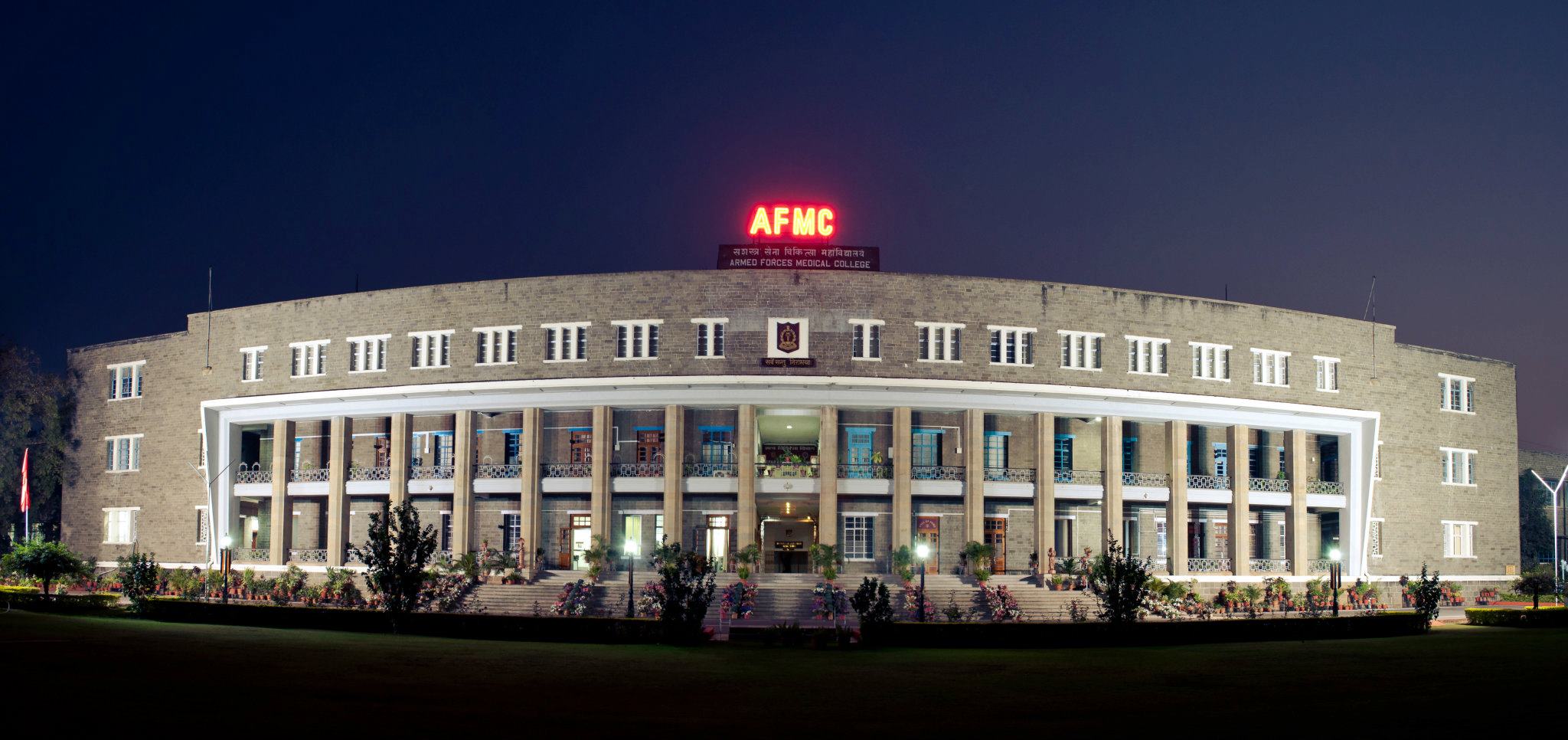
The medical education system in Bangladesh has been evolving to keep pace with global advancements in medical science. Recognizing the need for a group of energetic, motivated, and dedicated young professionals to lead the health sector in the 21st century, the Bangladesh Armed Forces established the Armed Forces Medical College (AFMC). The college was founded to respond to changes in medical education and technology and to produce doctors capable of serving both the Armed Forces and the nation effectively.
The Army Medical Corps (AMC) is responsible for maintaining the health and fighting strength of the Armed Forces during both war and peace. Since newly graduated doctors from existing medical colleges could not always meet the specific requirements of the Armed Forces, the government decided to establish AFMC. The goal is to train militarily motivated, high-quality medical graduates while also contributing skilled, disciplined doctors to the national healthcare system.
AFMC commenced its academic activities on 20 June 1999, starting with the induction of 56 medical cadets. The college is affiliated with the Bangladesh University of Professionals and recognized by the Bangladesh Medical & Dental Council (BMDC). To date, 25 batches comprising 2,368 students have been inducted. Many graduates have joined the Bangladesh Army, and others continue their academic journey, completing internships at the Combined Military Hospital (CMH), Dhaka. Admissions are merit-based, following the government directive AFMC Instruction-1/2003.
The primary aim of AFMC is to train AMC cadets and AFMC cadets for five academic years according to the BMDC MBBS syllabus, creating highly skilled doctors for both the Armed Forces and national healthcare services.
AFMC is a fully residential institution, and medical students are designated as Medical Cadets. Cadets must stay in college-provided dormitories and adhere to all rules regarding decorum, customs, and etiquette.
AFMC emphasizes both academic and extracurricular activities to develop well-rounded medical cadets. Additional classes are conducted by experts in areas such as military life, leadership, English, computer skills, and social values.
Mandatory extracurricular activities help cadets:
Clubs and Activities:
Sports Facilities:
AFMC boasts a spacious, well-equipped library with a large collection of books, journals, training videos, slides, and continuous annual updates.
A cafeteria/canteen within the college premises provides light refreshments to cadets and visitors on a paid basis, ensuring a convenient and hygienic dining facility.